

 See My Latest Article on HelloNation
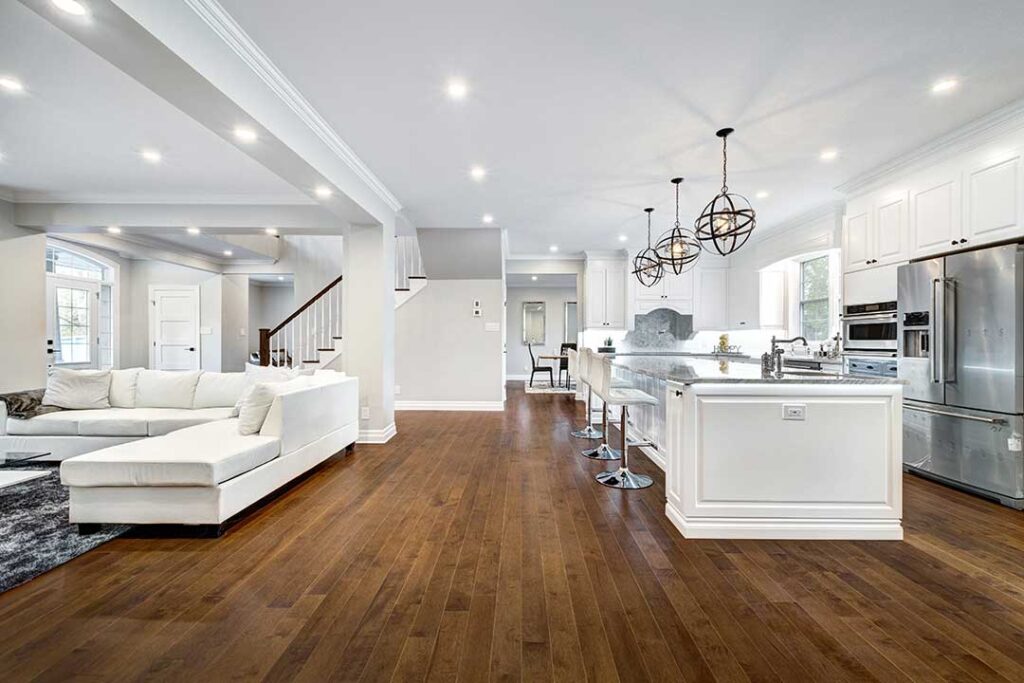
Home improvements can make a house more comfortable, safer, and easier to sell, but not every project returns its full cost. For residents of Clanton, AL, the strongest return on investment usually comes from improvements that protect the home, improve first impressions, reduce operating costs, or solve problems buyers would otherwise notice during an inspection.
Return on investment, or ROI, is not a guarantee. It depends on the home’s condition, neighborhood expectations, project quality, timing, and the amount spent. A modest, well-planned improvement often performs better financially than a highly customized renovation.
What home improvements usually provide the best ROI?
Exterior improvements, basic maintenance, and modest updates to kitchens and bathrooms generally provide the most dependable return. National remodeling studies consistently show that exterior replacement projects often recover a larger share of their cost than luxury interior renovations.
Projects with comparatively strong resale potential include:
- Replacing a worn garage door
- Improving the front entry
- Repairing or replacing damaged siding
- Applying fresh exterior paint
- Updating outdated light fixtures and hardware
- Replacing damaged flooring with durable, neutral materials
- Making targeted kitchen or bathroom updates
- Improving insulation, air sealing, and ventilation
- Correcting drainage, moisture, or structural problems
The most valuable improvement is often the one that removes a concern. A home with a sound roof, dry crawl space, reliable heating and cooling, and functional plumbing is more appealing than a home with an expensive kitchen but unresolved maintenance issues.
Should homeowners improve the exterior before remodeling the interior?
Usually, yes, especially when the exterior looks neglected or has visible damage. Buyers form an opinion before entering the home, and exterior problems can raise questions about hidden maintenance costs.
In the local climate, exterior materials must handle heat, humidity, heavy rain, storms, and long growing seasons. Before spending money on decorative changes, inspect:
- Roof shingles, flashing, and roof-edge drainage
- Gutters, downspouts, and areas where water collects
- Siding, trim, caulking, and exterior wood
- Driveways, walkways, porches, and steps
- Doors and windows that allow water or outside air to enter
- Grading around the foundation
A clean, well-maintained exterior does not need to be elaborate. Removing overgrown vegetation, repairing damaged trim, washing appropriate surfaces, replacing outdated house numbers, and improving exterior lighting can make the property appear better cared for without creating a large renovation bill.
Are kitchen renovations worth the cost?
Kitchen updates can add value, but major luxury remodels are not always financially efficient. A complete redesign may involve cabinets, plumbing, electrical work, flooring, appliances, countertops, and structural changes. Those costs can exceed what buyers in the surrounding market are willing to pay.
A moderate kitchen refresh is often more practical. Useful improvements may include:
- Painting dated cabinets when their condition allows
- Replacing worn cabinet hardware
- Updating faucets and light fixtures
- Repairing damaged countertops
- Replacing cracked flooring
- Improving storage with simple organizers
- Applying a neutral wall color
- Replacing visibly outdated or unreliable appliances
The goal is to make the kitchen clean, functional, and visually consistent with the home. Highly personal colors, specialized equipment, and expensive finishes may appeal to one household but limit the number of potential buyers.
What bathroom improvements tend to pay off?
Bathrooms influence a buyer’s view of a home’s cleanliness and maintenance. Small improvements can be worthwhile when the room is functional but dated.
High-value bathroom work often includes repairing leaks, improving ventilation, replacing damaged caulk and grout, updating lighting, refreshing paint, replacing a worn vanity, and installing durable flooring. A new mirror, modern hardware, and a properly sealed tub or shower can change the appearance without requiring a full reconstruction.
Major bathroom changes make more sense when there is a genuine problem, such as poor layout, water damage, inadequate ventilation, or plumbing that no longer performs reliably. Cosmetic upgrades should not cover evidence of moisture or structural damage.
Do energy-efficiency improvements increase home value?
Energy improvements can provide both financial and practical benefits. Better insulation and air sealing may improve indoor comfort and reduce heating and cooling demand. In a warm, humid climate, controlling air leakage and moisture is especially useful.
Common starting points include:
- Sealing gaps around doors, windows, plumbing penetrations, and attic access
- Adding appropriate attic insulation
- Improving duct sealing where accessible
- Replacing damaged weatherstripping
- Maintaining heating and cooling equipment
- Installing programmable or smart temperature controls
- Using efficient lighting

These improvements may not produce the same immediate visual impact as new countertops, but they can reduce utility costs and make rooms more comfortable. Buyers may also view documented efficiency work favorably, particularly when utility bills, maintenance records, and product information are available.
Windows require more careful analysis. Replacing them solely for resale value may not provide a quick payback, especially if existing windows are serviceable. Replacement becomes more compelling when windows are damaged, difficult to operate, visibly drafty, or allowing water intrusion.
Which repairs should come before cosmetic improvements?
Health, safety, water, and structural concerns should come first. These issues can affect financing, insurance, inspections, and a buyer’s willingness to proceed.
Priorities may include:
- Active roof leaks
- Foundation movement or significant settlement
- Standing water near the house
- Rotting structural wood
- Electrical hazards
- Unsafe steps, railings, or decks
- Plumbing leaks
- Failing heating or cooling systems
- Mold or persistent moisture
- Damaged flooring that creates a safety risk
A new paint color cannot compensate for water entering through the roof or poor drainage near the foundation. Addressing these problems may not feel as rewarding as a visible remodel, but it protects the property’s value and reduces the chance of a costly transaction delay.
How much should homeowners spend on improvements?
The right budget depends on the home’s current value, its condition, the expected length of ownership, and nearby housing patterns. Spending far more than comparable homes rarely produces a matching return.
A useful approach is to compare the home with similar properties in the area and ask:
- Is the home noticeably behind others in basic condition?
- Will the improvement solve a problem or simply add decoration?
- Is the project durable in local weather?
- Can the work be completed without creating a maintenance burden?
- Would a typical buyer understand and appreciate the improvement?
- Are permits or inspections required?
For a planned sale, avoid beginning a complicated project without enough time to complete it properly. Incomplete work, mismatched materials, or visible construction may reduce buyer confidence.
Do permits matter for home improvement ROI?
Yes. Certain projects may require permits, inspections, or compliance with local building requirements. This can include structural changes, electrical work, plumbing alterations, additions, and some exterior projects.
In Clanton, homeowners should verify requirements before starting work, especially when changing a home’s structure, adding living space, installing certain systems, or modifying a manufactured home. Keeping permits, invoices, warranties, and maintenance records can help explain improvements to future buyers.
What is the best improvement if the budget is limited?
Start with deferred maintenance and visible defects. A practical order is to stop water intrusion, improve safety, repair major wear, clean thoroughly, improve lighting, and then make modest cosmetic updates.
For many households, the best return may come from a combination of smaller projects rather than one major renovation: fresh paint, repaired flooring, improved landscaping, updated fixtures, better drainage, and a clean, functional entryway. These changes help the home feel maintained without forcing the budget into a highly customized design.